
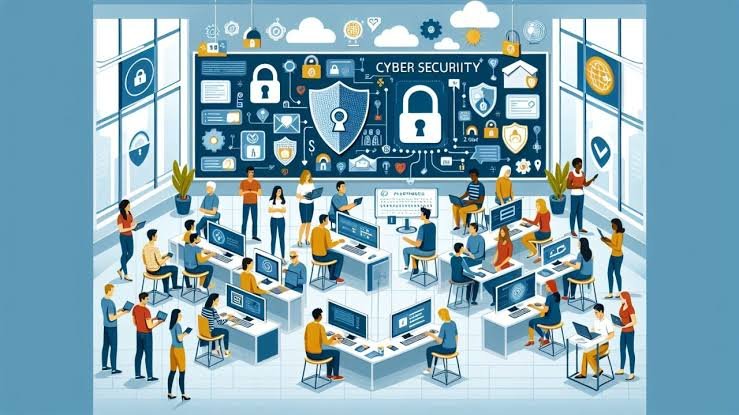
In today’s digital world, almost everything depends on technology. People use the internet to communicate, shop, manage finances, store personal information, and work remotely. Businesses rely on digital systems to manage customers, employees, payments, and daily operations. While this technology makes life easier, it also creates opportunities for cybercriminals. This is where Cyber Defense becomes essential.
Cyber Defense is the practice of protecting computers, networks, applications, devices, and sensitive information from cyber threats. It involves a combination of security technologies, policies, monitoring, employee awareness, and quick responses to suspicious activity. A strong Cyber Defense strategy does not simply focus on preventing attacks; it also helps organizations detect threats early, respond effectively, and recover when an incident occurs.
What Is Cyber Defense?
Cyber Defense refers to the methods and strategies used to protect digital environments from unauthorized access, attacks, data theft, malware, and other online threats. It can be applied to an individual computer, a small business network, a large corporate infrastructure, or even critical national systems.
Cyber Defense is broader than simply installing antivirus software. Modern security requires multiple layers of protection because cybercriminals use different techniques to target their victims. For example, an attacker might send a convincing phishing email to steal a password and then use that password to access a company’s network.
Effective Cyber Defense combines preventive controls with detection and response capabilities. This layered approach makes it harder for attackers to succeed and gives security teams a better chance of stopping suspicious activity before significant damage occurs.
Why Is Cyber Defense Important?
Cyberattacks can have serious consequences for both individuals and organizations. A successful attack may result in stolen personal information, financial losses, damaged systems, business interruptions, or reputational harm.
For businesses, the consequences can be particularly expensive. Customer databases may contain names, addresses, payment information, and other sensitive details. If attackers gain access to this information, customers may lose trust in the company.
Cyber Defense also helps organizations maintain business continuity. A ransomware attack, for example, can prevent employees from accessing important files and applications. With proper backups, monitoring, access controls, and incident response plans, a company can reduce the impact and recover more quickly.
Another important reason for investing in Cyber Defense is that threats continue to evolve. Attackers constantly develop new methods, which means security cannot be treated as a one-time project. Organizations need to regularly review their systems and update their defenses.
Common Cyber Threats
Understanding common cyber threats is an important part of building an effective defense strategy.
Phishing
Phishing is one of the most common forms of cyberattack. Attackers send emails, messages, or fake websites designed to trick people into revealing passwords, financial information, or other sensitive data.
Phishing attacks often appear legitimate. A message may pretend to come from a bank, employer, delivery company, or popular online service. Employee education and email security tools can help reduce this risk.
Malware
Malware is malicious software designed to damage systems, steal information, or provide unauthorized access. Viruses, spyware, trojans, and ransomware are examples of malware.
Keeping software updated, using trusted security solutions, and avoiding suspicious downloads are important steps for reducing malware-related risks.
Ransomware
Ransomware is particularly dangerous because it can encrypt files and prevent users from accessing important information. Attackers may then demand payment in exchange for supposedly restoring access.
Reliable offline or protected backups can be extremely valuable in this situation. Organizations should also monitor systems for unusual activity and limit unnecessary access to sensitive files.
Password Attacks
Weak or reused passwords can make accounts easier to compromise. Attackers may use stolen credentials, automated guessing techniques, or information obtained through previous data breaches.
Using unique passwords and enabling multi-factor authentication can significantly improve account security.
Insider Threats
Not every security incident comes from an external attacker. Employees, contractors, or other authorized users may accidentally or intentionally expose sensitive information.
Organizations can reduce insider risks by applying appropriate access controls, monitoring important systems, and providing security awareness training.
Key Components of Cyber Defense
A successful Cyber Defense strategy usually consists of several layers.
Network Security
Network security protects the systems through which devices communicate. Firewalls, secure configurations, network monitoring, and segmentation can help prevent unauthorized access and limit the spread of attacks.
Network segmentation is particularly useful because it separates important systems from less sensitive areas. If one part of a network is compromised, segmentation can make it more difficult for attackers to move throughout the entire environment.
Endpoint Security
Laptops, desktops, smartphones, and other connected devices can become entry points for attackers. Endpoint security focuses on protecting these devices through security software, configuration controls, updates, and monitoring.
Employees who work remotely should also follow secure practices because devices outside the traditional office environment can introduce additional risks.
Identity and Access Management
Access should be provided according to what users actually need. Giving every employee unrestricted access can increase the potential damage caused by a compromised account.
Strong identity and access management includes secure authentication, appropriate permissions, multi-factor authentication, and regular reviews of user accounts.
Data Protection
Data is one of the most valuable assets for many organizations. Cyber Defense therefore needs to protect information both while it is stored and while it is being transmitted.
Encryption, secure backups, access controls, and data-loss prevention measures can help reduce the likelihood of sensitive information being exposed.
Security Monitoring
Preventing every attack is difficult. For this reason, organizations also need systems that can identify suspicious behavior.
Security monitoring can help detect unusual login attempts, unexpected network traffic, unauthorized changes, or other indicators of compromise. Early detection gives security teams more time to investigate and respond.
The Role of Employees in Cyber Defense
Technology alone cannot provide complete protection. Employees play a major role in an organization’s security.
A single careless action, such as clicking a malicious link or sharing a password, can create an opportunity for attackers. Regular security awareness training can teach employees how to recognize suspicious emails, create stronger passwords, protect devices, and report unusual activity.
Organizations should also create a culture where employees feel comfortable reporting potential security incidents. Quick reporting can make a major difference because security teams may be able to contain a threat before it spreads.
Cyber Defense and Artificial Intelligence
Artificial intelligence is becoming increasingly important in cybersecurity. Security teams can use AI-based systems to analyze large amounts of information and identify patterns that may indicate suspicious activity.
AI can assist with tasks such as detecting unusual network behavior, analyzing security alerts, and identifying potentially malicious activity. However, it should not be viewed as a complete replacement for cybersecurity professionals.
Attackers can also use AI to create more convincing scams and automate certain malicious activities. As a result, organizations need a balanced approach that combines technology with human expertise, strong policies, and continuous monitoring.
Building a Strong Cyber Defense Strategy
Organizations do not need to implement every security technology at once. A practical approach begins with understanding the organization’s most important assets and biggest risks.
The first step is to identify sensitive data, critical applications, important devices, and systems that could cause serious problems if compromised. After identifying these assets, organizations can determine appropriate security controls.
Regular software updates are another basic but important step. Security vulnerabilities can provide attackers with opportunities to gain unauthorized access. Applying patches promptly can reduce exposure to known weaknesses.
Organizations should also maintain secure backups and regularly test their recovery procedures. A backup is only useful if it can actually be restored when needed.
Incident response planning is equally important. A company should know who is responsible for responding to a security incident, how affected systems will be isolated, and how important stakeholders will be informed.
Finally, Cyber Defense should be reviewed continuously. Security risks change as organizations adopt new technologies, add employees, move services to the cloud, and connect more devices to their networks.
Cyber Defense for Individuals
Cyber Defense is not only a business concern. Individuals can also take simple steps to improve their digital security.
Using unique passwords for important accounts is a good starting point. A password manager can make it easier to manage different passwords without relying on memory.
Multi-factor authentication should also be enabled whenever available. Even if a password is stolen, an additional authentication factor can provide another layer of protection.
People should be careful when opening unexpected links or attachments. Before entering sensitive information on a website, it is worth checking that the website is legitimate.
Keeping operating systems, browsers, and applications updated is another important habit. Updates frequently include security fixes that address known vulnerabilities.
The Future of Cyber Defense
The cybersecurity landscape will continue to change as technology develops. Cloud computing, connected devices, remote work, artificial intelligence, and automation are creating new opportunities as well as new security challenges.
Future Cyber Defense strategies are likely to place even greater emphasis on continuous monitoring, identity protection, automation, threat intelligence, and rapid incident response.
However, the fundamental principles will remain important: protect sensitive information, limit unnecessary access, keep systems updated, monitor for suspicious activity, prepare for incidents, and educate users.
Cybersecurity is not about creating a perfect system that can never be attacked. Instead, effective Cyber Defense focuses on reducing risk and making it difficult for attackers to succeed. When an incident does occur, strong preparation can help organizations detect it, contain the damage, and recover more efficiently.
Frequently Asked Questions
1. What is Cyber Defense?
Cyber Defense is the practice of protecting computers, networks, devices, applications, and data from cyber threats. It includes prevention, monitoring, threat detection, incident response, and recovery.
2. Why is Cyber Defense important for businesses?
Cyber Defense helps businesses protect sensitive information, prevent unauthorized access, reduce financial losses, and maintain customer trust. It can also help organizations recover more quickly after a security incident.
3. What are the most common Cyber Defense threats?
Common threats include phishing, malware, ransomware, stolen passwords, unauthorized access, social engineering, and insider threats. Attackers often combine multiple techniques to compromise their targets.
4. How can individuals improve their Cyber Defense?
Individuals can improve their security by using strong and unique passwords, enabling multi-factor authentication, keeping software updated, avoiding suspicious links, securing their devices, and backing up important data.
5. Can Cyber Defense completely prevent cyberattacks?
No security system can guarantee that every cyberattack will be prevented. The goal of Cyber Defense is to reduce risk, make attacks more difficult, detect suspicious activity quickly, limit potential damage, and support recovery when an incident occurs.
Conclusion
Cyber Defense has become a fundamental part of modern digital life. As individuals and organizations become increasingly dependent on connected technologies, protecting digital assets is more important than ever.
A strong defense requires multiple layers, including network security, endpoint protection, identity management, data protection, monitoring, employee awareness, backups, and incident response planning. No single tool can eliminate every cyber threat, but combining these measures can significantly reduce risk.
The most effective approach is also a continuous one. Organizations and individuals should regularly evaluate their security practices, learn about emerging threats, update their systems, and improve their defenses.
In a world where digital threats are constantly evolving, Cyber Defense is not simply an IT responsibility. It is an ongoing commitment to protecting information, maintaining trust, and keeping digital systems available and secure.