
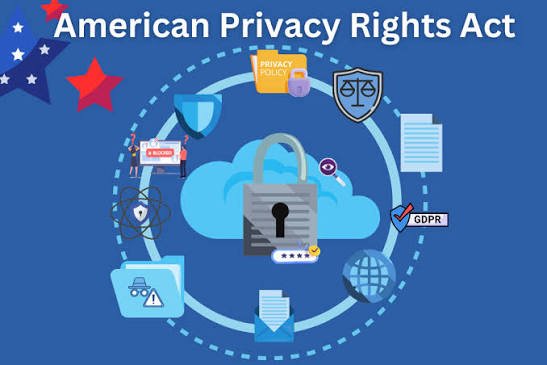
In today’s digital world, personal information has become one of the most valuable things people have. Every time we create an account, shop online, use a mobile app, browse a website, or share something on social media, we leave behind pieces of information about ourselves. This is why privacy rights have become more important than ever.
Privacy rights give people a level of control over how their personal information is collected, used, stored, and shared. They can also help individuals understand what companies and organizations are allowed to do with their data. Although privacy laws can differ from one country to another, the basic idea is simple: people should have a reasonable degree of control and protection over information that relates to them.
What Are Privacy Rights?
Privacy rights are legal and ethical protections that allow individuals to maintain control over their personal information and private lives. These rights can cover many different areas, including personal data, communications, financial details, medical information, online activity, photographs, and location information.
For example, when a website asks for your name, email address, phone number, or location, you may have certain rights regarding that information. Depending on the applicable law, you may be able to find out why the information is being collected, request access to it, ask for incorrect information to be corrected, or request its deletion.
Privacy is not limited to the internet, either. It can also involve traditional situations such as the handling of employment records, medical files, financial documents, and government information.
Why Are Privacy Rights Important?
The amount of personal information collected today is enormous. Companies can collect data through websites, applications, loyalty programs, online purchases, cookies, and other technologies. Governments and organizations may also maintain records for legitimate purposes.
Without appropriate privacy protections, personal information can potentially be misused, exposed, or shared without a person’s knowledge.
Strong privacy rights can help individuals:
- Understand how their information is being used
- Reduce unwanted sharing of personal data
- Correct inaccurate personal information
- Protect sensitive details from unnecessary exposure
- Respond to inappropriate or unauthorized data practices
- Make more informed decisions about the services they use
Privacy also supports personal freedom. People are generally more comfortable communicating, researching, and expressing themselves when they know their private information is handled responsibly.
Common Types of Privacy Rights
The exact rights available to a person depend on their location and the laws that apply to them. However, several privacy protections appear in different legal systems around the world.
The Right to Know
One important privacy protection is the ability to understand what personal information an organization has collected and how it is being used.
A company may collect information for purposes such as providing a service, processing payments, improving products, preventing fraud, or communicating with customers. People should be able to understand these purposes rather than being left completely in the dark.
The Right to Access Personal Information
In many privacy frameworks, individuals can request access to certain personal information held about them. This can help people understand what data an organization has and whether it is accurate.
Access rights can be particularly useful when someone suspects that a company has outdated or incorrect information about them.
The Right to Correct Information
Personal information can become inaccurate for many reasons. A person might change their address, phone number, name, or other details.
Privacy laws in some jurisdictions allow individuals to request corrections when information about them is inaccurate or incomplete. Keeping records accurate is important because incorrect data can sometimes lead to unfair decisions or unwanted consequences.
The Right to Delete Certain Information
Another important concept is the right to request deletion of personal information in specific circumstances.
This does not necessarily mean that every organization must delete every piece of information whenever someone asks. There may be legal, contractual, security, or other legitimate reasons for retaining certain records.
Still, deletion rights can give people greater control over information that no longer needs to be stored.
The Right to Object to Certain Uses
Some privacy laws give individuals the ability to object to particular ways their information is being processed.
For example, a person may have rights related to direct marketing or certain types of automated processing. The specific rules vary, so individuals should check the laws applicable to their situation.
Privacy Rights in the Digital Age
Technology has changed the way personal information is collected. In the past, people usually knew when they were giving information to an organization. Today, data collection can happen quietly in the background.
Websites may use cookies and similar technologies. Mobile applications can request access to contacts, photos, microphones, or location information. Online platforms can also track user behavior to personalize content or advertising.
This does not automatically mean that every form of data collection is harmful. Many digital services need certain information to function properly. The important issue is whether data is collected and used responsibly, transparently, and for appropriate purposes.
Consumers can take simple steps to strengthen their own privacy. Reviewing app permissions, using strong passwords, enabling multi-factor authentication, limiting unnecessary personal information, and reading privacy settings can all make a difference.
Privacy and Social Media
Social media creates another major privacy challenge. People often share photos, opinions, locations, relationships, and personal experiences without thinking about how long that information may remain available.
Even when a post is deleted, copies or screenshots may already exist elsewhere. For this reason, it is wise to think carefully before sharing sensitive information online.
Privacy settings can help, but they are not a perfect solution. Users should regularly review who can see their posts, who can contact them, and what information their profiles reveal.
Parents and guardians should also pay attention to children’s online privacy. Young users may not fully understand the long-term consequences of sharing personal details publicly.
What Can You Do to Protect Your Privacy?
Understanding your privacy rights is important, but personal habits matter too. You do not need to become a technology expert to take useful precautions.
Start by asking simple questions before providing personal information. Why is this information needed? Who will receive it? How long will it be kept? Is providing it optional?
It is also a good idea to avoid sharing sensitive information unless it is genuinely necessary. Use different, strong passwords for important accounts and consider a reputable password manager. Turn on multi-factor authentication whenever it is available.
Keep your devices and applications updated because security updates can address vulnerabilities. Be cautious with unexpected emails, messages, and links that ask for personal information.
Most importantly, pay attention to privacy notices and account settings. While legal privacy policies can sometimes be difficult to read, they often provide useful information about what an organization does with personal data.
What Happens When Privacy Is Violated?
A privacy violation can take different forms. It might involve unauthorized access to personal information, inappropriate sharing of data, excessive collection, or the use of information for purposes that were not properly disclosed.
The consequences can range from unwanted marketing and identity-related risks to financial loss or reputational damage.
If you believe your privacy has been violated, keep records of what happened. Save relevant emails, notices, screenshots, account messages, and other evidence. You may then contact the organization involved and ask how your information was handled.
Depending on the circumstances and the country involved, you may also have the option to contact a relevant data protection or privacy regulator or seek professional legal advice.
The Future of Privacy Rights
As artificial intelligence, facial recognition, smart devices, and data-driven services continue to develop, privacy rights will likely become an even bigger part of everyday life.
New technologies can offer significant benefits, but they can also create new questions about consent, surveillance, automated decision-making, and ownership of personal information.
Privacy laws will need to evolve alongside technology. At the same time, individuals need to remain aware of how their information is collected and used.
Ultimately, privacy is about more than keeping secrets. It is about having a meaningful degree of control over personal information and being treated fairly when that information is collected or processed.
Frequently Asked Questions
1. What are privacy rights?
Privacy rights are protections that give individuals control over aspects of their personal information and private life. They can include rights to access, correct, delete, or object to certain uses of personal data, depending on the applicable laws.
2. Why are privacy rights important?
Privacy rights help protect personal information from inappropriate collection, use, or disclosure. They also give people greater transparency and control over information that organizations hold about them.
3. Can I ask a company what personal information it has about me?
In many jurisdictions, individuals have a legal right to request access to certain personal information held by an organization. However, the exact requirements and exceptions depend on local privacy laws.
4. Can I ask a company to delete my personal information?
Sometimes. Certain privacy laws provide deletion rights in specific circumstances. However, an organization may be legally allowed or required to keep some information for particular reasons.
5. How can I protect my privacy online?
You can improve your online privacy by using strong and unique passwords, enabling multi-factor authentication, reviewing app permissions, limiting unnecessary personal information, keeping software updated.
Conclusion
Privacy rights are an important part of modern life. They help individuals understand and control how personal information is handled while encouraging organizations to use data responsibly.
Although privacy protections differ depending on the country and circumstances, everyone can benefit from learning the basic principles of privacy. Taking simple precautions, reviewing privacy settings, limiting unnecessary data sharing, and understanding available legal protections can all help reduce privacy risks.
As technology continues to become part of almost every aspect of daily life, protecting personal information will require both responsible organizations and informed individuals. Knowing your privacy rights is an important first step toward maintaining greater control over your digital and personal life.