
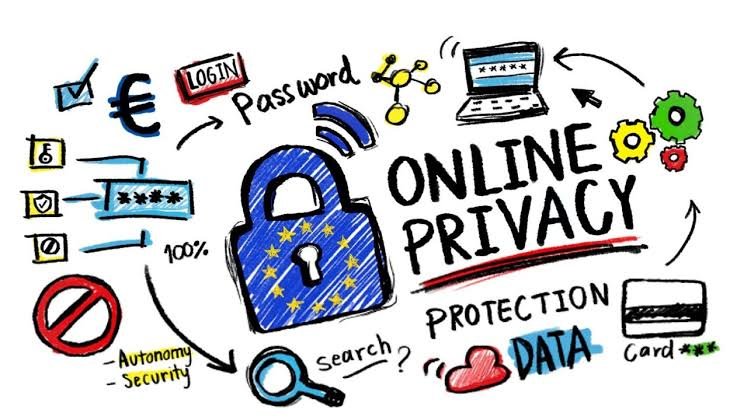
In today’s digital world, data has become one of the most valuable assets for individuals, businesses, and organizations. From personal photographs and passwords to financial records and customer information, huge amounts of data are created and stored every day. While technology has made it easier to collect, share, and access information, it has also created new risks. This is where data security becomes essential.
Data security refers to the methods, technologies, and practices used to protect information from unauthorized access, theft, damage, alteration, or loss. It is not only a concern for large corporations or technology companies. Small businesses, schools, healthcare organizations, government departments, and everyday internet users all need effective ways to protect their data.
With cyber threats becoming more sophisticated, understanding how data security works and why it matters is more important than ever.
What Is Data Security?
Data security is the process of protecting digital and physical information against unauthorized use or harmful activities. The main goal is to make sure that data remains confidential, accurate, and available to authorized users when needed.
For example, when you enter your credit card details on an online shopping website, security measures should prevent criminals from stealing that information. Similarly, a company may use security controls to ensure that only authorized employees can access confidential customer records.
Data security can involve several layers of protection, including passwords, encryption, authentication systems, access controls, security software, backups, and employee training. Using several security measures together creates stronger protection than relying on a single solution.
Why Is Data Security Important?
The importance of data security has increased as more personal and business activities have moved online. Almost every organization collects some form of sensitive information, and losing control of that information can have serious consequences.
One major reason data security matters is privacy. People expect their personal information to be handled responsibly. Names, addresses, phone numbers, identification documents, medical records, and financial information can all be misused if they fall into the wrong hands.
Data security is also important for maintaining trust. Customers are more likely to do business with companies that demonstrate responsible data protection. A single serious data breach can damage a company’s reputation and cause customers to lose confidence.
There are also financial consequences. Cyberattacks can result in stolen money, operational downtime, legal expenses, recovery costs, and lost business opportunities. Strong security practices can reduce the likelihood and impact of these incidents.
Common Threats to Data Security
There are many different threats that can put information at risk. Understanding these threats is the first step toward protecting against them.
Phishing Attacks
Phishing is one of the most common ways criminals attempt to steal sensitive information. Attackers may send emails, text messages, or fake website links designed to look legitimate. Their goal is often to trick users into revealing passwords, payment information, or other private details.
Malware
Malware is malicious software designed to damage systems, steal information, or gain unauthorized access. Viruses, spyware, ransomware, and other types of malware can cause significant problems for both individuals and organizations.
Weak Passwords
Simple or reused passwords can make accounts easier to compromise. If the same password is used across several websites and one service suffers a breach, attackers may try that password on other accounts.
Insider Threats
Not every security problem comes from outside an organization. Employees, contractors, or other authorized users may accidentally or intentionally expose sensitive information. Proper access controls and monitoring can help reduce these risks.
Data Loss
Information can also be lost because of hardware failure, accidental deletion, natural disasters, or software problems. Security is therefore not only about stopping hackers; it is also about making sure important information can be recovered when something goes wrong.
Key Methods of Data Security
Organizations and individuals can use a combination of techniques to protect information effectively.
Encryption
Encryption converts readable information into an encoded format that cannot easily be understood without the appropriate key. It can help protect data while it is stored and while it is being transferred between systems.
For example, encryption can help protect information sent between a user’s device and an online service. Even if someone manages to intercept the data, encryption makes it much more difficult to understand.
Strong Authentication
Authentication verifies that a person is really who they claim to be. Traditional passwords are still widely used, but stronger approaches can provide additional protection.
Multi-factor authentication, for example, requires users to provide more than one form of verification. This might include a password combined with a code sent to a trusted device or a biometric method.
Access Controls
Not every employee needs access to every piece of information. Access controls allow organizations to determine who can view, modify, or delete specific data.
Following the principle of least privilege is particularly useful. It means users should receive only the access they need to perform their responsibilities.
Regular Backups
Backups are an important part of data protection and recovery. If information is accidentally deleted, corrupted, or affected by ransomware, a reliable backup can help an organization restore its data.
Important backups should be protected from unauthorized access and regularly tested to make sure they can actually be restored when necessary.
Security Updates
Software developers regularly release updates to fix security weaknesses. Delaying updates can leave systems exposed to known vulnerabilities.
Keeping operating systems, applications, browsers, and security tools updated is therefore a simple but effective security practice.
Data Security for Businesses
Businesses have a particularly important responsibility because they often store information belonging to customers, employees, and partners.
A good business data security strategy begins with identifying sensitive information and understanding where it is stored. Companies should then determine who needs access and establish appropriate security controls.
Employee education is another critical part of the process. Even advanced security systems can be weakened by simple human mistakes. Employees should know how to recognize suspicious emails, create secure passwords, handle confidential information, and report potential security incidents.
Businesses should also have an incident response plan. No security system can guarantee that an attack will never happen. A response plan helps an organization act quickly if a breach or other security incident occurs.
Data Security for Individuals
Individuals can also take several practical steps to protect their personal information.
Using unique and strong passwords for important accounts is a good starting point. A password manager can make it easier to manage multiple passwords without having to remember every one.
Enabling multi-factor authentication wherever possible adds another layer of protection. People should also be careful when opening unexpected attachments or clicking links in suspicious messages.
Public Wi-Fi networks should be used carefully, particularly when accessing sensitive accounts. Keeping phones, computers, and applications updated can also reduce exposure to security vulnerabilities.
Most importantly, users should think carefully before sharing personal information online. Once information is published or shared, controlling where it goes can become difficult.
The Role of Privacy in Data Security
Data security and privacy are closely connected, but they are not exactly the same thing. Data security focuses primarily on protecting information from unauthorized access, damage, or loss. Privacy is more concerned with how personal information is collected, used, shared, and stored.
An organization can have strong technical security but still handle personal information irresponsibly. Effective data protection therefore requires attention to both security and privacy.
Organizations should collect only the information they genuinely need, explain how that information will be used, and protect it throughout its lifecycle.
The Future of Data Security
As technology continues to develop, data security will become even more important. Cloud computing, artificial intelligence, connected devices, remote work, and digital services are creating new opportunities as well as new security challenges.
Artificial intelligence can help security teams identify unusual activity and respond to threats more quickly. At the same time, criminals can use advanced technologies to create more convincing scams and automate attacks.
This means data security cannot be treated as a one-time task. It requires continuous monitoring, regular updates, employee awareness, and ongoing improvements.
Frequently Asked Questions
1. What is data security in simple words?
Data security means protecting information from unauthorized access, theft, damage, or loss. It uses tools and practices such as passwords, encryption, authentication, backups, and access controls to keep information safe.
2. Why is data security important?
Data security helps protect sensitive information such as personal details, financial records, business documents, and customer data. Strong security can reduce the risk of cyberattacks, data breaches, financial losses, and damage to an organization’s reputation.
3. What are the most common data security threats?
Common threats include phishing, malware, ransomware, weak passwords, unauthorized access, insider threats, and accidental data loss. Human error is also a major concern, which is why security awareness and employee training are important.
4. How can I improve data security?
You can improve your data security by using strong and unique passwords, enabling multi-factor authentication, keeping software updated, avoiding suspicious links, regularly backing up important files, and being careful about the personal information you share online.
5. Is data security only important for businesses?
No. Data security is important for individuals as well as businesses. Personal accounts contain valuable information that criminals may try to steal. Everyone who uses digital devices or online services can benefit from basic security practices.
Final Thoughts
Data is at the center of modern life, and protecting it should be a priority for everyone. Whether you are running a business or simply using a smartphone, effective data security can help protect your privacy, finances, reputation, and important information.
No single security tool can provide complete protection. The strongest approach combines multiple layers, including encryption, strong authentication, access controls, backups, software updates, and user education.
As digital threats continue to evolve, staying informed and adopting responsible security habits can make a significant difference. Data security is not simply a technical issue—it is an essential part of living and working safely in a connected world.